

Written by Alex Pagan Programmes Officer UK
When we walk into our sessions, the first thing we see is children waiting at the door – smiling, waving, calling out “hello!” before we’ve even stepped inside. Children are children everywhere: curious, energetic, and ready to join in. For a little while, our sessions become spaces where children can simply be children – laugh, play, and have fun.
As a Programmes Officer for Cities for Children, I support children from refugee and asylum-seeking families to access safe, nurturing environments through our playful learning programmes. When I speak to people outside the sector, I often find that they do not have the full picture of what newly arrived children experience, or the challenges many families face as they build a new life in the UK.
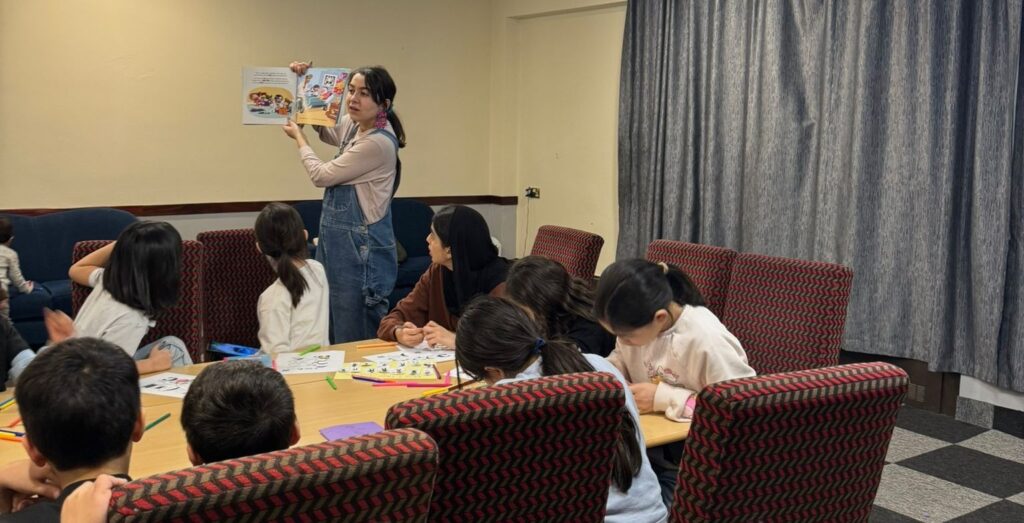
Their needs are the same as any child’s: safe housing, routine, supportive adults, opportunities to learn and play, and a sense of belonging. These foundations are vital for all children, but especially for those adapting to a new country and rebuilding their lives. When children have stability, support and opportunities to connect with others, they are better able to learn, grow and thrive.
Many newly arrived families begin life in the UK in initial hotel-based accommodation. While intended as short-term solutions, these arrangements often become much longer-term due to housing shortages and delays within the asylum system. For children, this can mean waking up each day in a room that is not home, in a place that feels unfamiliar, while waiting for decisions that will shape their future. Living with this uncertainty can have a significant impact on a child’s wellbeing and development.
This year’s Refugee Week theme, Courage, feels particularly meaningful when I think about the children we work with. Courage is adapting to a new country while still making sense of the one left behind. It is still finding joy amid uncertainty and continuing to move forward.
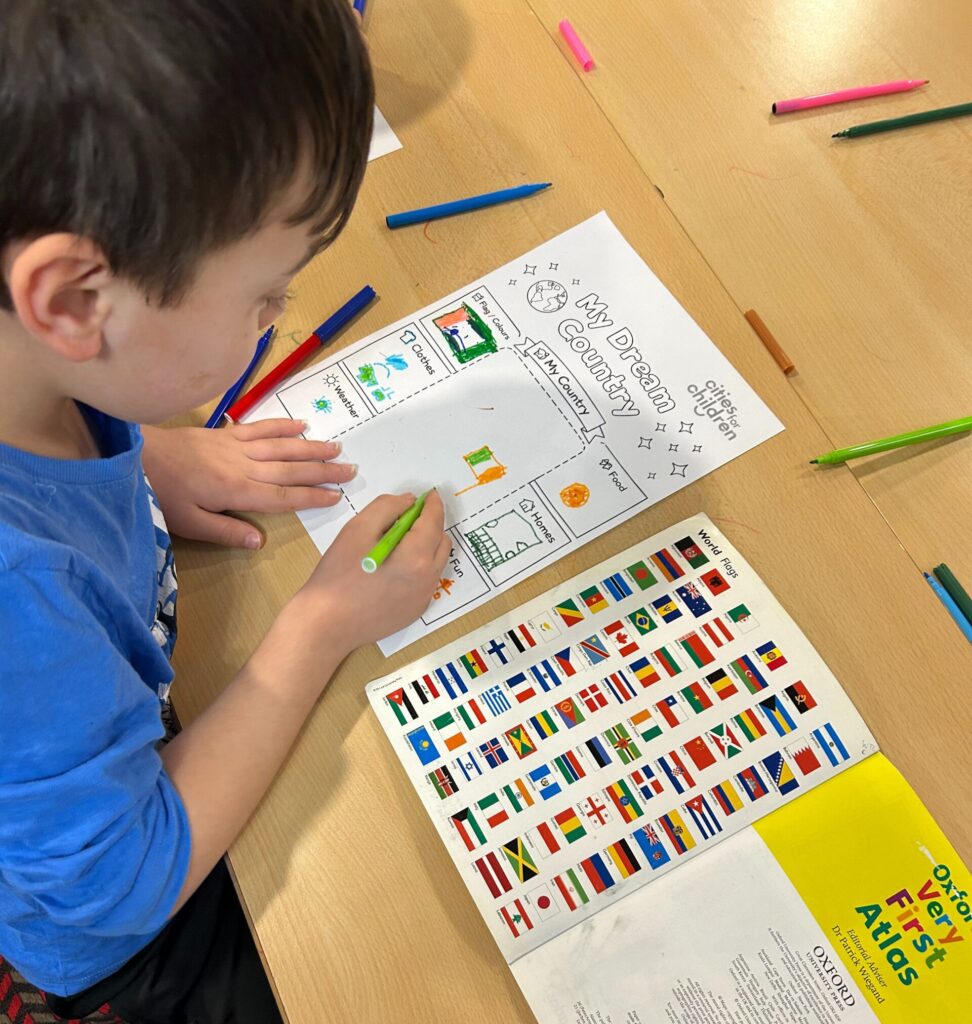
Belonging plays a crucial role in helping children develop that confidence. Early friendships help children practice English, settle into school, and feel part of everyday life. Studies show that strong social connections and a sense of belonging can support wellbeing and reduce distress among refugee children. Identity matters too. When children’s names, languages and cultures are recognised and celebrated, they receive a clear message that who they are is valued and they are welcome.
Integration is often discussed as something newcomers must do, but it is actually a two-way process. As communities and organisations, we need to work hard to shape the welcome children receive so that they can adapt to life in the UK. Creating opportunities for connection and participation helps children feel that they belong, and gives them the confidence to take their place in a new community.
Through our programmes, we aim to create spaces where children feel safe, welcomed, and able to be themselves. I have seen children flourish from the start to the end of our programmes when they are given opportunities to play, connect, and build confidence over time. One child who has stayed with me is Fatima*. When she first joined our session, she was bright and articulate, but gravitated towards adults rather than peers and often preferred working independently. Navigating group dynamics and joining her peers was a challenge for her. Over the course of the programme, she began choosing to sit with other children, engaging more collaboratively, and using her language skills to translate for peers. In our final session, she was thriving in her helper role – explaining activities and supporting younger children. This is what courage looks like when a child feels safe enough to grow.
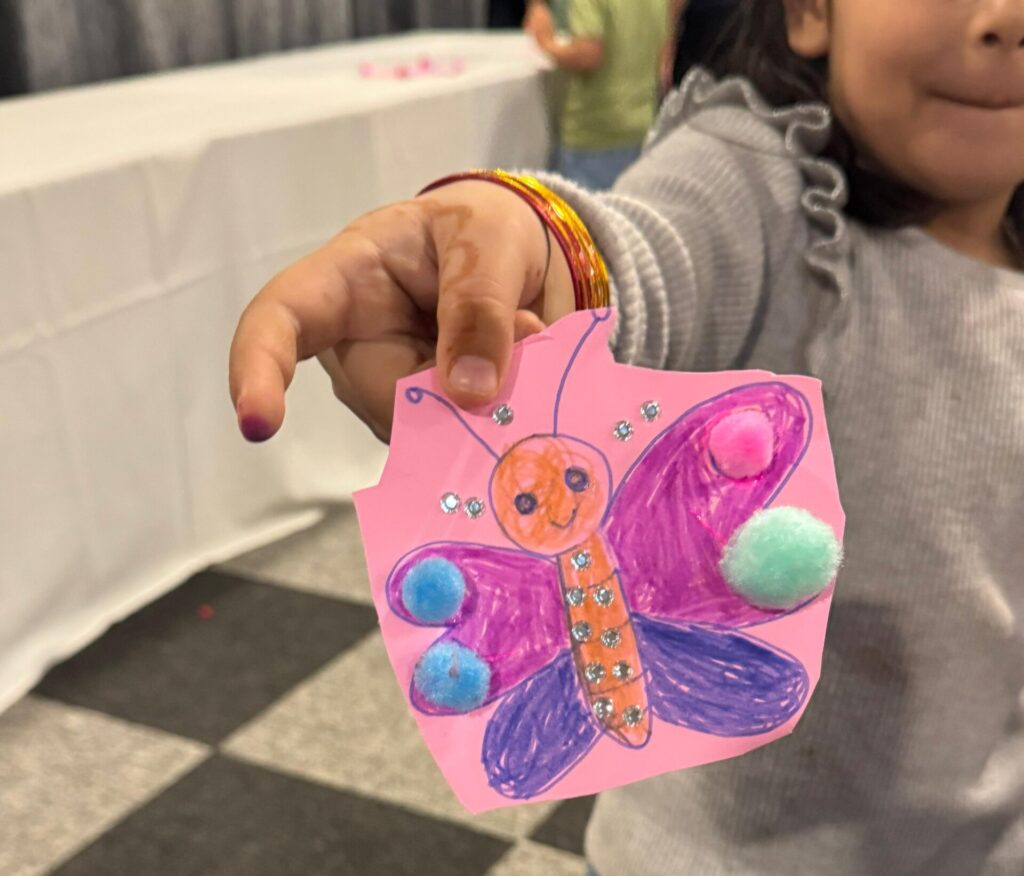
As we mark Refugee Week, I hope we can broaden our understanding of courage. Courage does not end with the journeys that bring families to safety. We see it in the everyday experiences of children learning, adapting, and growing. We also see it in the commitment of those who work to create welcoming environments where children thrive.
If we want to build a truly welcoming society, we must ensure that every child is safe, seen and supported. Every child deserves the right to a childhood: to read, play, and be safe. Perhaps the most meaningful response to courage is to honour it by creating the conditions in which every child can simply be a child.